How to Cook Cabbage: 7 Methods, Compared
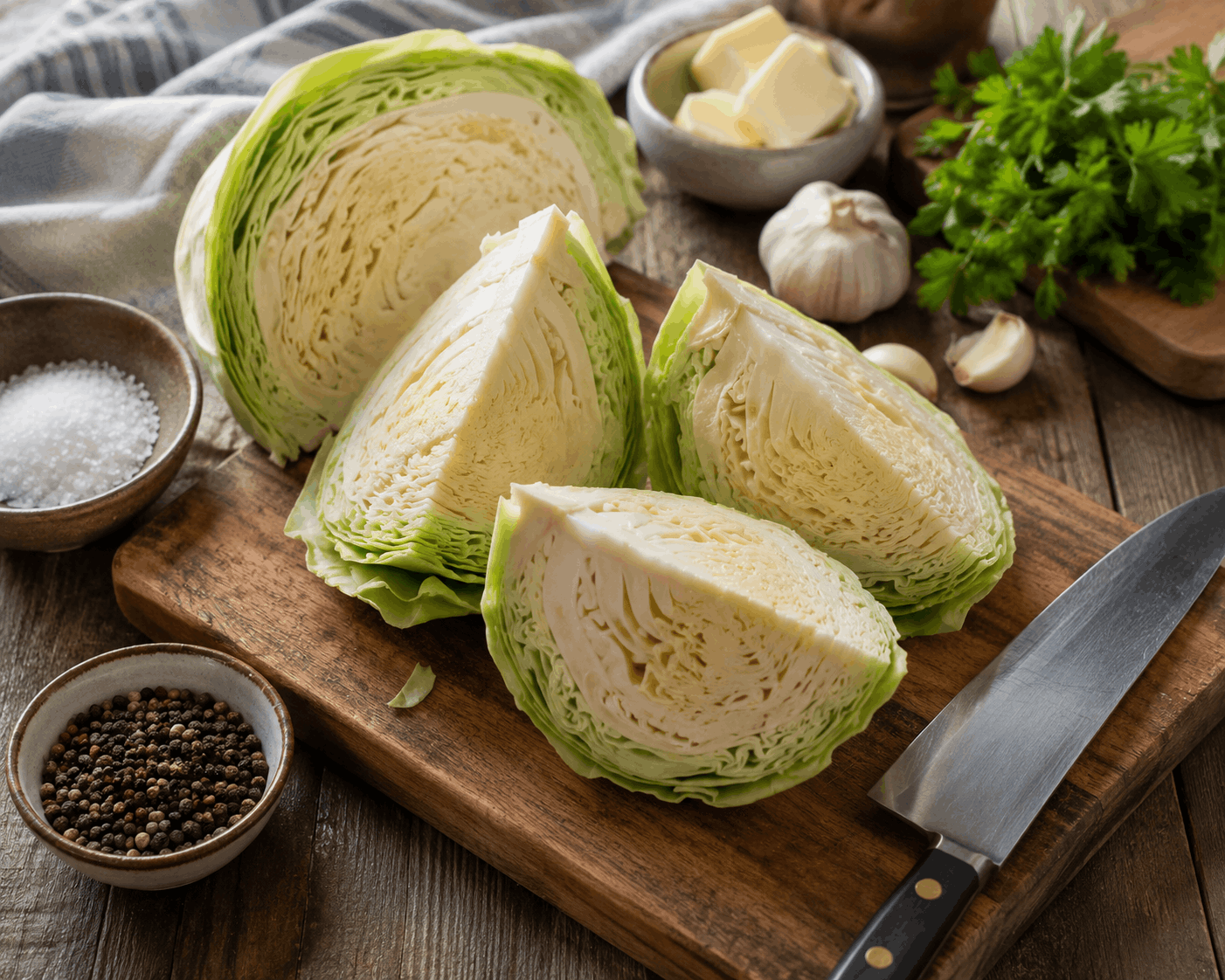
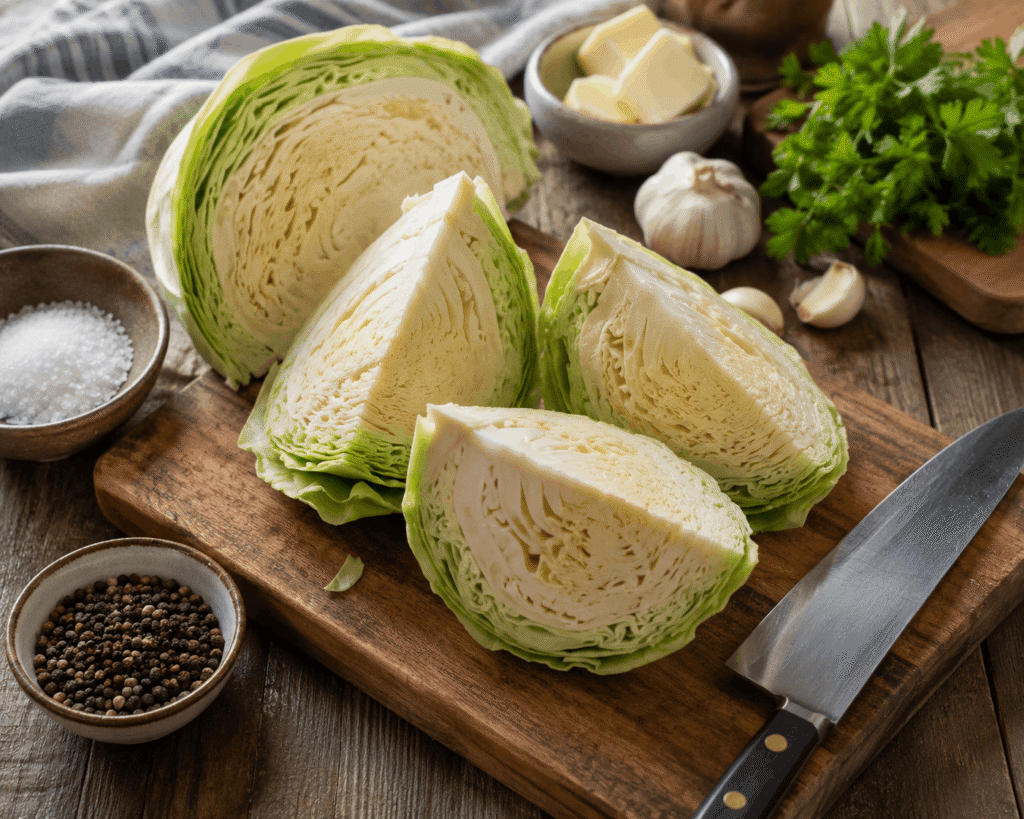
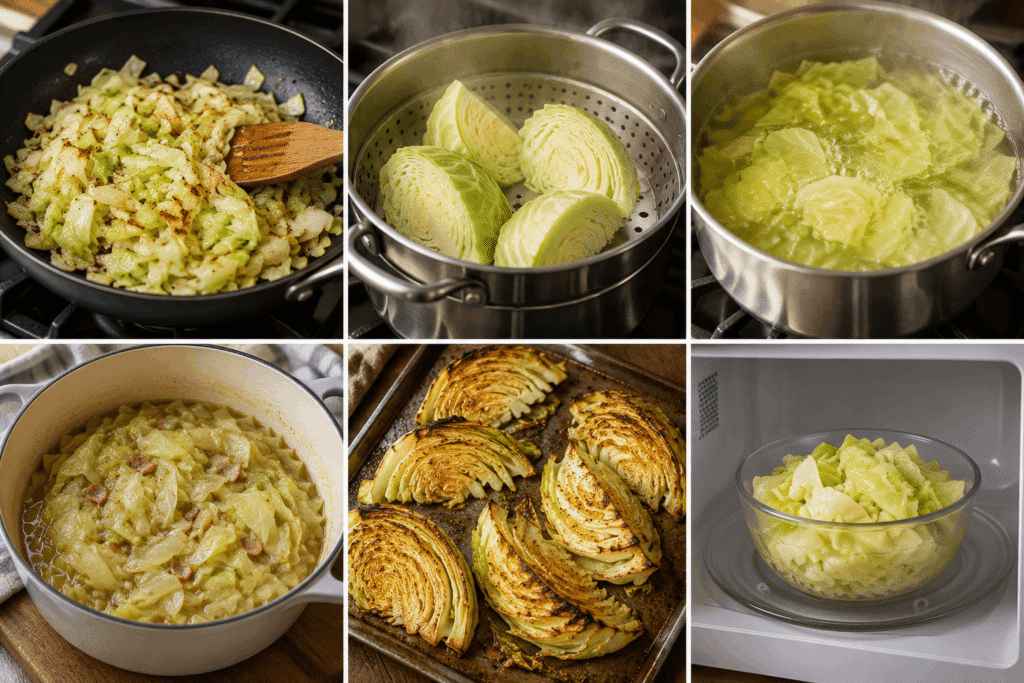
Cabbage rewards almost any cooking method, but the results vary more than you’d expect from one vegetable. Sautéing brings out caramelized sweetness. Steaming keeps it light and mild. Braising turns it silky and tender enough to fall apart on a fork.
This guide covers how to cook cabbage using seven reliable methods, with exact times by cut size, a cabbage variety guide, and the trick that actually reduces that strong cooking smell.
Who this guide is for: home cooks wanting a quick side dish, anyone cooking a whole head for the first time, and cooks comparing methods for a specific meal or occasion.
Last verified: July 2026.
Quick Answer
Most cabbage cooks in 5 to 12 minutes, depending on the cooking method and how it’s cut. Shredded cabbage cooks fastest, while wedges and braised cabbage take longer. Roasting usually takes 20 to 25 minutes at 400°F, while braising takes about 20 to 30 minutes.
How to Choose and Prep Cabbage
Choose a head that feels heavy for its size with tightly packed, unblemished leaves. Remove any wilted or damaged outer leaves before washing, then rinse the head under cool water before cutting. To prep it, cut the head in half through the core, then into quarters, and slice off the tough white core at an angle from each wedge before shredding or chopping the remaining leaves.
Reducing the smell: cabbage releases sulfur compounds as it cooks, which get stronger the longer it cooks. A small pinch of sugar added to the cooking water or pan can noticeably cut down the smell, and keeping cook times on the shorter end of any method’s range helps too.
Quick Comparison: Cabbage Cooking Methods
| Method | Time | Best For | Texture |
| Sautéing | 8 to 12 minutes | Weeknight side, some caramelization | Tender with lightly browned edges |
| Steaming | 5 to 8 minutes | Mild flavor, lower-calorie side | Light, tender, holds its shape |
| Boiling | 2 to 12 minutes, depending on cut | Quick, simple prep | Soft, mild |
| Braising | 20 to 30 minutes | Silky, deeply tender results | Very soft, almost melting |
| Roasting | 20 to 25 minutes | Caramelized, restaurant-style side | Crisp edges, tender center |
| Microwaving | 4 to 5 minutes | Fastest single-portion method | Soft, tender |
| Pressure cooking | 3 to 6 minutes at high pressure | Hands-off, especially for larger batches | Tender-crisp to very tender, depending on time |
Times vary based on whether the cabbage is shredded, chopped, or left in wedges, since larger pieces generally need more time than finely cut cabbage.
Which Cooking Method Is Best?
For most people, sautéing offers the best balance of speed, flavor, and texture. If you’re looking for the healthiest option, steaming preserves more nutrients. For the richest flavor, roasting and braising are the top choices.
Cooking Temperatures at a Glance
| Method | Temperature |
| Sautéing | Medium-high heat |
| Steaming | Simmering water |
| Boiling | Rolling boil |
| Braising | Low heat |
| Roasting | 400°F |
| Microwaving | High |
| Pressure cooking | High pressure |
Cooking Time by Cut Size
| Cut | Boiling | Steaming | Roasting |
| Shredded | 2 to 3 minutes | 5 to 6 minutes | Not typically roasted |
| Chopped | 5 to 8 minutes | 6 to 8 minutes | Not typically roasted |
| Wedges | 8 to 12 minutes | 10 to 12 minutes | 20 to 25 minutes |
Finer cuts cook noticeably faster than wedges across every method, so adjust your timing based on how you’ve cut the cabbage, not just the method alone.
Best Method for Your Situation
- Best for a fast weeknight side: sautéing
- Best for a light, mild side dish: steaming
- Best for a classic comfort-food result: braising
- Best for a caramelized, impressive side: roasting
- Best for the fastest single portion: microwaving
- Best for hands-off, batch cooking: pressure cooking
How to Cook Cabbage by Method
Sautéing
Best for: a fast weeknight side with some caramelized flavor.
Time and temperature: 8 to 12 minutes over medium-high heat.
Steps: heat butter and oil in a large skillet, add shredded cabbage, and cook, stirring occasionally, until the edges turn golden and the cabbage softens.
Who should skip this: anyone wanting a completely hands-off method, since sautéing needs occasional stirring throughout.
Pro tip: a splash of apple cider vinegar stirred in at the end brightens the dish noticeably more than salt alone.
Steaming
Best for: a mild, lower-calorie side that holds its shape well.
Time and temperature: 5 to 8 minutes over simmering water using a steamer basket, depending on cut size.
Steps: Place chopped or shredded cabbage in a steamer basket over an inch of simmering water, cover, and steam until tender.
Who should skip this: anyone wanting caramelized flavor, since steaming produces a mild result with no browning.
Pro tip: a small pat of butter stirred in right after steaming adds flavor without needing oil during cooking.
Boiling
Best for: the simplest possible prep with no special equipment.
Time and temperature: 2 to 3 minutes for shredded cabbage, 5 to 8 minutes for chopped pieces, and 8 to 12 minutes for wedges, all in boiling water.
Steps: For boiling, cabbage can be shredded, chopped, or cut into wedges. Avoid boiling an entire uncut head because it cooks unevenly. Boil until just tender, then drain.
Who should skip this: anyone wanting more flavor built in during cooking, since boiling in plain water produces the mildest, least seasoned result of any method here.
Pro tip: avoid boiling a whole, uncut cabbage. By the time the inner leaves cook through, the outer leaves turn mushy and overdone.
Braising
Best for: a classic, deeply tender comfort-food result.
Time and temperature: 20 to 30 minutes over low heat in a covered pot.
Steps: Use a pan with a tight-fitting lid; add cabbage with a small amount of liquid, broth or water, and cook low and slow so the cabbage releases its own juices as it softens.
Who should skip this: anyone in a hurry, since braising takes considerably longer than most other methods here.
Pro tip: some traditional recipes braise cabbage in milk instead of broth or water for a milder, creamier flavor, though this is a regional variation rather than the standard approach.
Roasting
Best for: a caramelized side dish that feels more special-occasion than everyday.
Time and temperature: 20 to 25 minutes at 400°F.
Steps: cut cabbage into wedges or thick slices, brush both sides with olive oil, season with salt, pepper, and garlic powder, and roast on a baking sheet, flipping once halfway through.
Who should skip this: anyone wanting a fast side, since roasting takes longer than sautéing or steaming for a similar result.
Pro tip: cutting the cabbage into thick slices rather than thin ones helps it hold together and develop crisp, caramelized edges without falling apart on the pan.
Microwaving
Best for: the fastest possible method for a single portion.
Time and temperature: 4 to 5 minutes on high.
Steps: place shredded cabbage in a microwave-safe bowl with a tablespoon of butter and a splash of water, cover loosely, and microwave, stopping halfway through to stir.
Who should skip this: anyone wanting any browning or caramelized flavor, since microwaving only steams the cabbage.
Pro tip: a small pinch of sugar added to the water noticeably reduces the strong smell that can build up in a microwave.
Pressure Cooking
Best for: hands-off cooking, especially for larger batches.
Time and temperature: 3 to 4 minutes at high pressure for a firmer, tender-crisp result, or around 6 minutes for very tender cabbage, with a 5-minute natural release either way.
Steps: Add shredded cabbage, chopped cabbage, or wedges to the pressure cooker; seal the lid with the valve set to sealing; cook on high pressure; then let pressure release naturally for 5 minutes before opening.
Who should skip this: anyone without a pressure cooker or unfamiliar with safe quick-release procedures, since rushing the release can be unsafe.
Pro tip: season generously after cooking, since pressure cooking can mute seasoning added beforehand more than other methods.
How Do You Know Cabbage Is Done?
Properly cooked cabbage should be tender enough to pierce easily with a fork while still holding its shape, whether shredded, chopped, or in wedges. Overcooked cabbage becomes limp and mushy, and it also develops a noticeably stronger sulfur smell the longer it sits on heat past that point.
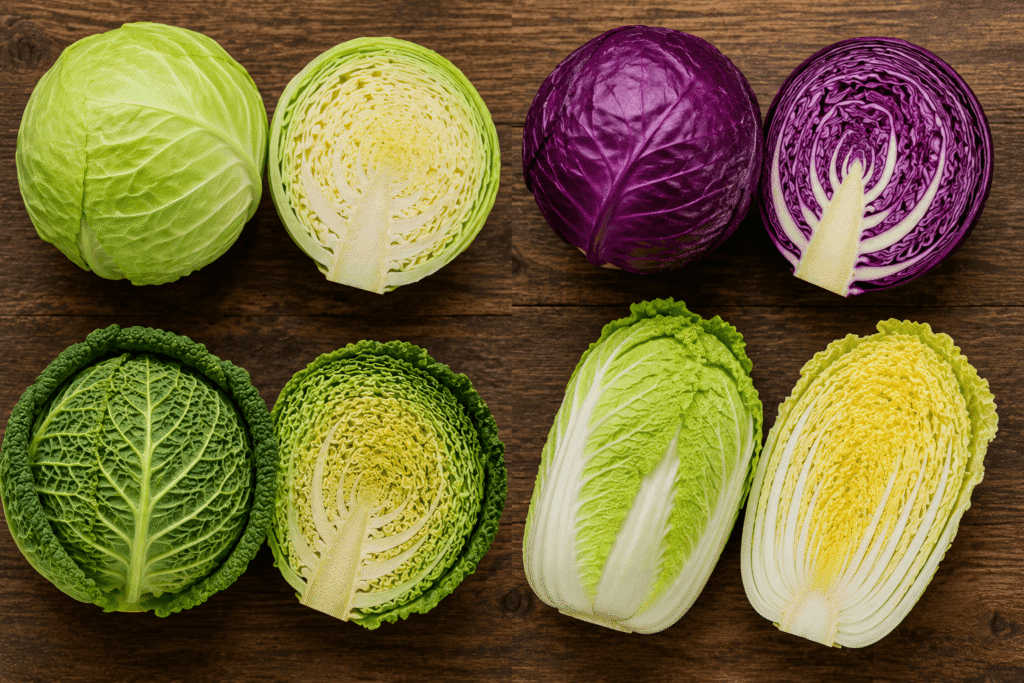
Cabbage Varieties and Which Method Suits Each
| Variety | Best Cooking Methods | Notes |
| Green cabbage | Sautéing, boiling, braising | The most common variety, with slightly peppery leaves that hold up well to most methods |
| Red cabbage | Braising, roasting | Often braised for color retention, though also eaten raw in salads |
| Savoy cabbage | Sautéing, stir-frying | Sweeter and more pliable than green cabbage, good for cabbage rolls |
| Napa cabbage | Steaming, stir-frying, raw | Lighter, frillier leaves best suited to quick cooking or raw preparations |
Can You Cook Frozen Cabbage?
Yes. Frozen cabbage can go directly into most of these methods without thawing first, including boiling, steaming, or sautéing. Expect a slightly softer final texture than fresh cabbage, and add a minute or two to your usual cook time to account for the starting temperature. Frozen cabbage also releases more moisture than fresh cabbage as it cooks, so sautéed versions may brown less effectively than a fresh batch.
Best Herbs, Spices, and Seasonings for Cabbage
- Butter
- Bacon or bacon fat
- Garlic
- Onion
- Black pepper
- Smoked paprika
- Caraway seeds
- Apple cider vinegar
- Fresh thyme
- Fresh parsley
- Fresh dill
What Goes Well with Cabbage?
Cabbage pairs especially well with corned beef, smoked sausage, pork chops, roasted potatoes, and roast chicken, making it a versatile side across both quick weeknight meals and slower, traditional dinners.
Storage and Reheating
Storing fresh cabbage: a whole, uncut head keeps well in the refrigerator crisper drawer for up to two weeks. Once cut, wrap the remaining portion tightly in plastic and use it within about a week.
Storing cooked cabbage: refrigerate in an airtight container for 3 to 5 days.
Freezing: cooked cabbage can be frozen in a freezer-safe container, though the texture softens noticeably once thawed, so it’s better suited to soups and braises than as a crisp side dish after freezing.
Reheating: a skillet over medium heat works well for restoring some texture. The microwave is faster but softens the cabbage further, so it’s best for dishes like soup where texture matters less.
Nutrition Notes
Cabbage is naturally low in calories while providing vitamin C, vitamin K, fiber, and antioxidants. Steaming and quick sautéing tend to preserve more of these nutrients than longer braising times, though cabbage generally holds up well nutritionally across most cooking methods due to its short overall cook time.
Common Mistakes When Cooking Cabbage
- Overcooking: Cabbage turns limp and develops a stronger smell the longer it sits past tender.
- Leaving the core in: the tough, fibrous core doesn’t soften like the rest of the leaves and should be cut away before cooking.
- Using too much water: excess water dilutes flavor and can leave cabbage waterlogged, especially when boiling.
- Overcrowding the pan: too much cabbage at once when sautéing steams the vegetable instead of browning it.
- Not seasoning enough: cabbage’s mild flavor benefits from more assertive seasoning than many cooks expect.
Frequently Asked Questions
How long does it take to boil cabbage?
Shredded cabbage takes about 2 to 3 minutes, chopped pieces take 5 to 8 minutes, and wedges take 8 to 12 minutes. Avoid boiling a whole, uncut head, since the outer leaves overcook long before the center is done.
How do you reduce the smell when cooking cabbage?
Adding a small pinch of sugar to the cooking water or pan helps reduce the sulfur smell, and keeping cook times toward the shorter end of any method’s range also helps.
What is the healthiest way to cook cabbage?
Steaming and quick sautéing tend to preserve more nutrients than longer methods like braising, since both use shorter cook times and less added fat.
Can you eat cabbage raw?
Yes, raw cabbage is common in slaws and salads, especially red and napa varieties, both of which hold up well without cooking.
How do you cut cabbage before cooking?
Cut the head in half through the core, then into quarters, and slice off the tough white core at an angle from each wedge before shredding or chopping the leaves.
Can you cook cabbage from frozen?
Yes, most methods work directly from frozen without thawing first, though the final texture will be a bit softer than cooking from fresh.
Do you wash cabbage before cooking?
Yes. Rinse the head under cool water before cutting to remove any dirt or debris from the outer leaves.
Can you overcook cabbage?
Yes. Overcooked cabbage becomes soft and mushy, develops a stronger sulfur smell, and loses some of its fresh, slightly sweet flavor. Cook it only until fork-tender for the best texture.
Final Recommendation
If you want the fastest weeknight side, sauté it. If you want a classic, deeply comforting result, braise it low and slow. If you’re serving guests and want something more impressive, roast it for caramelized, crisp edges.
Conclusion
Knowing how to cook cabbage is less about finding one perfect method and more about choosing the technique that matches your meal, schedule, and preferred texture. Try the sugar trick on your next batch to cut down the smell, then pick the method above that fits your time and texture preferences. If you’re planning a full vegetable side dish lineup, our guide to cooking asparagus covers another vegetable with just as many reliable methods to choose from.
Sources
- USDA FoodData Central, cabbage nutrition data
- General food safety and preparation guidance from university extension programs