Best Home Business Ideas to Start in 2026

Running a business from home comes with its own practical hurdles that a generic small-business guide won’t cover: zoning rules, HOA restrictions, and whether your homeowner’s insurance actually covers business use. This guide focuses specifically on ideas that work well within a home, along with the home-specific logistics most other guides skip.
Who this guide is for: parents and caregivers wanting flexible income, remote workers ready to go independent, and anyone comparing home-based options against businesses that require outside space. If you want a broader list, our guide to small business ideas covers 20 options across a wider range of budgets and settings.
Last verified: July 2026.
How We Chose These Ideas
Every idea here was evaluated against the same criteria, so the list stays consistent rather than random.
- Genuinely runnable from a home, not just theoretically possible
- Realistic startup costs and space requirements
- A mix of digital, service-based, and physical-product ideas
- Real zoning, licensing, or insurance considerations specific to home operation
Home Business vs. Traditional Business
| Home Business | Traditional Commercial Business | |
| Startup cost | Generally lower | Usually higher, including rent |
| Commute | None | Usually required |
| Space available | Limited to your home | Generally more room to scale |
| Flexibility | High | Lower, tied to a lease and location |
| Zoning restrictions | Can apply, varies by city | Fewer restrictions on business activity |
Best Home Business by Skill
| Skill | Best Business |
| Writing | Freelance writing |
| Finance | Virtual bookkeeping |
| Design | E-design and interior consulting |
| Repairs | Electronics repair |
| Crafts | Curated gift baskets |
Pros and Cons of a Home Business
Pros:
- Low overhead compared to renting commercial space
- Flexible hours around family or other commitments
- No commute, saving both time and money
- Easier to test an idea part-time before committing fully
Cons:
- Home distractions can hurt productivity
- Zoning or HOA restrictions may limit what you can legally do
- Working alone at home can feel isolating over time
- Limited space caps how much inventory or equipment you can store
Home Business Ideas by Budget
| Budget | Best Ideas |
| Under $500 | Freelance writing, curated gift baskets, pet sitting and dog walking |
| $500 to $1,000 | Electronics repair, virtual bookkeeping |
| $1,000 or more | Home-based childcare, e-commerce or dropshipping |
Quick Comparison: Home Business Ideas at a Glance
| Business Idea | Startup Cost | Space Needed | Time to First Income | Best For |
| E-commerce or dropshipping | $500 to $3,000 | Minimal to none | 1 to 6 months | Product-focused founders |
| Freelance writing | Under $500 | A desk | Days to weeks | Strong writers |
| Virtual bookkeeping | Under $1,000 | A desk | A few weeks | Detail-oriented founders |
| Pet sitting and dog walking | Under $500 | None outside the home | Days to weeks | Animal lovers |
| Home-based childcare | $1,000 to $5,000 | Dedicated child-safe space | 1 to 3 months | Caregivers with certification |
| E-design and interior consulting | Under $500 | A desk | A few weeks to months | Creative, visually minded founders |
| Furniture restoration | $500 to $2,000 | A garage or workshop area | A few weeks | Hands-on, detail-focused founders |
| Electronics repair | $500 to $2,000 | A workbench area | A few weeks | Technically skilled founders |
| Curated gift baskets | Under $500 | Storage space for inventory | Days to weeks | Creative, organized founders |
Costs and timelines are general estimates and vary by scale and location, so treat these as planning ranges rather than fixed figures.
Best Home Business Idea by Goal
| Goal | Best Business |
| Lowest cost | Freelance writing |
| Highest income potential | E-commerce or dropshipping |
| Best for parents | Home-based childcare |
| Best side hustle | Pet sitting and dog walking |
| Best long-term, stable income | Virtual bookkeeping |
If You Have… Which Business Fits?
| If you have… | Best Option |
| No money to invest | Freelance writing |
| A garage | Furniture restoration |
| Design skills | E-design and interior consulting |
| Accounting skills | Virtual bookkeeping |
| A love of animals | Pet sitting and dog walking |
Expert Tip: Start with the business that uses skills you already have instead of buying expensive equipment for a completely new trade.
Startup Timeline
Research your idea and local rules → Choose your specific business idea → Register your business and get required licenses → Set up your dedicated workspace → Land your first customer.
Most home businesses can move through this sequence in 4 to 8 weeks, though home-based childcare and e-commerce often take longer due to licensing or supplier setup.
Who Should Avoid a Home Business?
Home businesses may not suit people who need daily in-person social interaction, struggle to mentally separate work from home life, or require large commercial equipment that won’t fit or isn’t allowed in a residential space. If any of these describe you, a small commercial space or shared coworking setup may work better than a home-based model.
Home Business Ideas by Category
- Best low-cost idea to start this week: freelance writing
- Best for product-focused founders: e-commerce or dropshipping
- Best for animal lovers: pet sitting and dog walking
- Best for hands-on, detail-oriented work: furniture restoration or electronics repair
- Best for parents already home with kids: home-based childcare
Zoning, HOA Rules, and Licensing for Home Businesses
This is the section most competitor guides skip entirely, and it can determine whether your business is even legal to run from your specific address.
- Zoning restrictions: many residential zones limit or prohibit certain home business activities, particularly ones involving regular customer visits or outdoor storage.
- HOA rules: homeowners associations often have their own separate restrictions, sometimes stricter than city zoning, especially around signage, parking, and visible business activity.
- Home occupation permits: many cities require a specific home occupation permit or license before operating a business from a residential address, separate from a general business licence.
Who should check this first: anyone planning a business with regular client visits, deliveries, or outdoor equipment storage, like furniture restoration or a childcare business, since these draw the most zoning scrutiny.
The Home Office Tax Deduction
Running a business from home can qualify you for a home office tax deduction, though the IRS has specific requirements. You can check here for official IRS guidance on home office deductions, since the space generally needs to be used regularly and exclusively for business to qualify. Developing a clearer business acumen around which expenses genuinely qualify can meaningfully reduce your tax bill without triggering an audit-prone grey area.
Do You Need Home Business Insurance?
Standard homeowner’s or renter’s insurance often excludes business activity, which surprises many first-time home business owners. A separate home business insurance policy, or a rider added to your existing policy, can cover business equipment, liability, and inventory that standard personal coverage typically leaves out. This matters most for ideas involving inventory, client visits, or valuable equipment, like electronics repair or curated gift baskets.
Best Home Business Ideas
E-commerce and Dropshipping

Best for: founders wanting a product-based business without holding inventory themselves.
Startup cost: generally $500 to $3,000 for store setup, initial marketing, and sample products.
Why it works: platforms handle payment processing and, in dropshipping specifically, supplier fulfilment, letting you focus on marketing and customer service rather than warehousing.
Who should skip this: anyone expecting fast profits, since building enough traffic and trust to generate consistent sales usually takes sustained effort over months.
Practical tip: starting with a narrow product niche makes marketing more manageable than a broad, generalist store competing directly with larger retailers.
Freelance Writing
Best for: strong writers wanting a low-overhead, flexible business.
Startup cost: generally under $500, mainly a portfolio and outreach time.
Why it works: businesses and publications consistently need articles, website copy, and editorial content, and demand spans far more than marketing copy alone.
Who should skip this: anyone who dislikes revision-heavy client work or tight editorial deadlines.
Practical tip: building a small portfolio of sample work before your first paid assignment makes outreach noticeably easier than starting with nothing to show.
Virtual Bookkeeping
Best for: detail-orientated founders comfortable with financial software.
Startup cost: generally under $1,000 for software and certification if needed.
Why it works: small businesses consistently need help managing daily transactions and reporting, often at a fraction of the cost of a full-time hire, and the work is entirely remote-friendly.
Who should skip this: anyone uncomfortable with detail-heavy, deadline-driven work, since errors here directly affect a client’s finances.
Practical tip: specialising in one industry, such as e-commerce sellers, makes your services easier to market than staying fully generalist.
Pet Sitting and Dog Walking
Best for: animal lovers wanting flexible, part-time or full-time work.
Startup cost: generally under $500, mainly insurance and basic supplies.
Why it works: busy pet owners consistently need reliable care while travelling or at work, and apps built for this niche make finding first clients easier than building your own booking system from scratch.
Who should skip this: anyone without genuine comfort handling various animal temperaments and occasional emergencies.
Practical tip: Starting with dog walking in your immediate neighbourhood tends to build a client base faster than casting a wide geographic net early on.
Home-Based Childcare
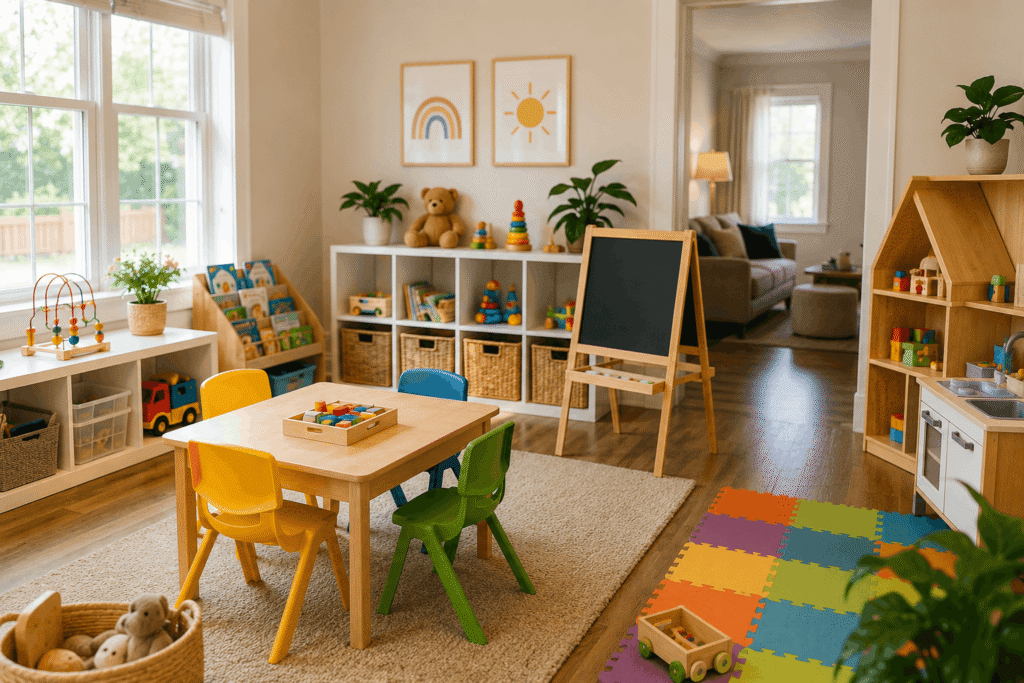
Best for: caregivers with relevant experience or certification wanting to combine childcare for their own kids with paid work.
Startup cost: generally $1,000 to $5,000 for child-safe space setup and required certifications.
Why it works: demand for home-based childcare remains consistently strong, and parents often prefer a smaller, home-like setting over larger daycare centres.
Who should skip this: anyone without the patience for the genuinely demanding, hands-on nature of childcare or without willingness to meet state-specific licensing requirements.
Practical tip: state regulations for home-based childcare vary significantly, so confirm your specific state’s licensing and ratio requirements before setting up space, not after.
E-Design and Interior Consulting
Best for: creative, visually minded founders who enjoy design without wanting to run a full interior design firm.
Startup cost: generally under $500 for design software and a portfolio.
Why it works: clients send photos and room measurements remotely, and you deliver a mood board, floor plan, and shopping list, all without an in-person visit.
Who should skip this: anyone without genuine design sense, since results here are highly visible and judged quickly by clients.
Practical tip: building a strong visual portfolio on Instagram or Pinterest tends to generate more inbound interest than cold outreach alone.
Furniture Restoration
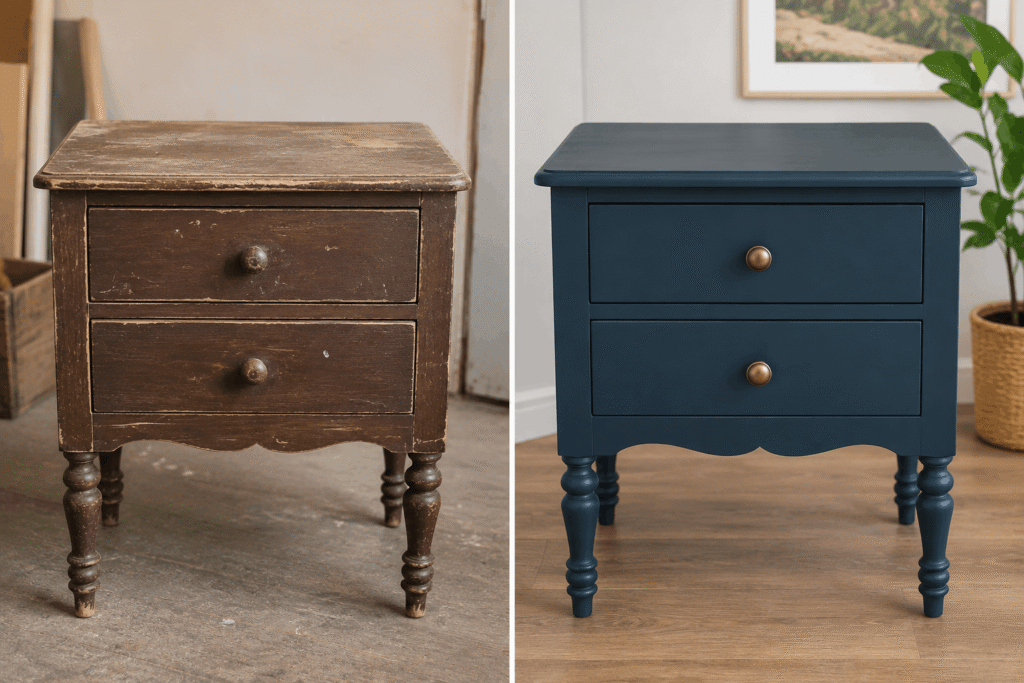
Best for: hands-on founders who enjoy sanding, refinishing, and reupholstering furniture.
Startup cost: generally $500 to $2,000 for basic tools and workspace setup.
Why it works: demand spans both individual customers wanting sentimental pieces restored and resellers looking to flip furniture for profit.
Who should skip this: anyone without a garage or dedicated workshop space, since the work is genuinely messy and requires ventilation.
Practical tip: documenting before-and-after photos of every project builds a portfolio that does much of your marketing for you.
Electronics Repair
Best for: Technically skilled founders comfortable troubleshooting hardware issues.
Startup cost: generally $500 to $2,000 for tools and initial parts inventory.
Why it works: repairing laptops, phones, and tablets is often cheaper for customers than replacement, and demand holds steady regardless of the broader economy.
Who should skip this: anyone without genuine hands-on technical skill, since a single botched repair can be costly to make right.
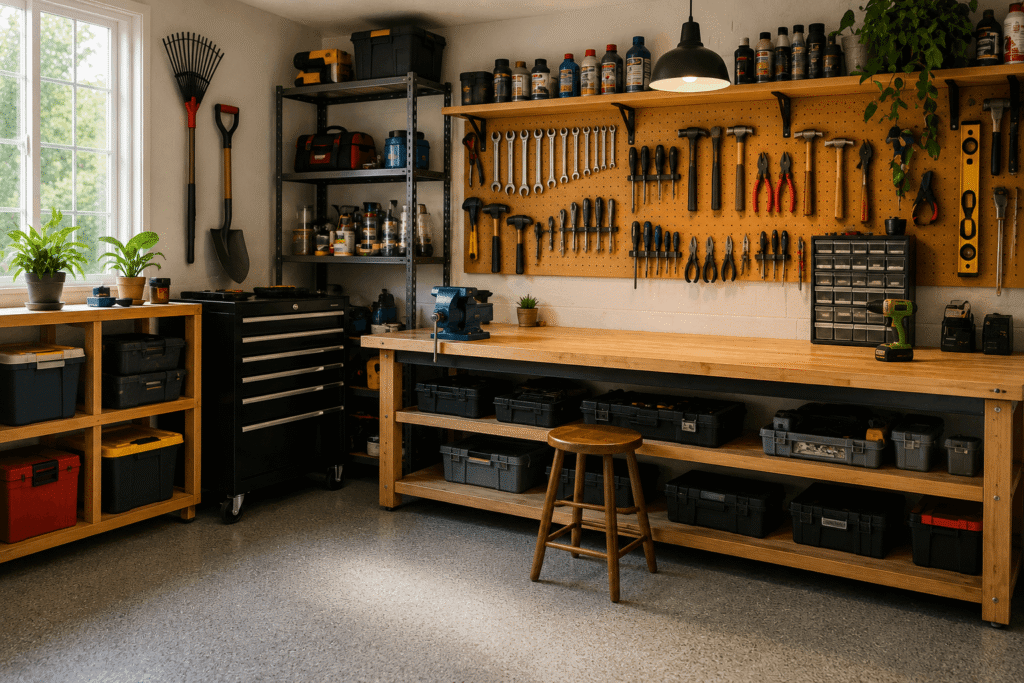
Practical tip: running your business out of a dedicated workbench area, rather than a shared family space, reduces the risk of losing small parts or damaging other household items.
Curated Gift Baskets
Best for: creative, organised founders who enjoy sourcing and presentation.
Startup cost: generally under $500 for initial inventory and packaging supplies.
Why it works: a themed niche, like a specific hobby or dietary preference, helps you stand out against generic gift basket competitors.
Who should skip this: anyone without storage space for inventory, since baskets and packaging materials take up more room than most digital business ideas.
Practical tip: partnering with local makers for some included items can differentiate your baskets while supporting other small businesses in your area.
Common Mistakes When Starting a Home Business
- Ignoring zoning laws: operating without checking local restrictions can lead to fines or a forced shutdown after you’ve already invested time and money.
- Mixing business and personal finances: using one bank account for both makes bookkeeping and taxes far more complicated than they need to be.
- Using personal insurance for business activity: standard homeowner’s policies often don’t cover business equipment, inventory, or liability.
- Buying too much inventory too early: overcommitting to stock before validating demand ties up cash you may need elsewhere.
- Trying too many businesses at once: splitting attention across multiple untested ideas usually means none of them gets the focus needed to succeed.
Frequently Asked Questions
What is the best home business idea to start with little money?
Freelance writing and virtual bookkeeping both generally start under $1,000, since the main requirement is a laptop and relevant skills rather than equipment or inventory.
Do I need a licence to run a business from home?
Often, yes. Many cities require a home occupation permit separate from a general business licence, and requirements vary significantly by location, so check with your local city or county office before launching.
Does my homeowner’s insurance cover a home business?
Usually not fully. Standard homeowner’s or renter’s insurance often excludes business activity, so a separate home business policy or rider is generally worth the added cost.
Can I get a tax deduction for a home office?
Yes, if the space is used regularly and exclusively for business, according to IRS requirements. Confirm the specific rules before claiming the deduction, since misapplying it can draw scrutiny.
Can I run a home business while working full time?
Yes, many of the ideas here, including freelance writing, virtual bookkeeping, and pet sitting, are commonly started part-time before transitioning to full time.
Can I start a home business with no experience?
Yes, ideas like pet sitting, freelance writing, and curated gift baskets generally have a low skill barrier to entry, though building real client trust still takes consistent effort over time.
Which home business is most profitable?
E-commerce and virtual bookkeeping tend to show the strongest long-term income potential on this list, since both can scale beyond the hours you personally put in, unlike purely service-based ideas.
What home business ideas require the least space?
Freelance writing, virtual bookkeeping, and e-design consulting all require little more than a desk and a laptop, unlike ideas involving inventory or a workshop.
Final Recommendation
If you want the fastest, lowest-cost start, freelance writing or virtual bookkeeping lets you begin within days using just a laptop. If you’re more hands-on and have garage space, furniture restoration or electronics repair lets you build a business around existing skills. If you’re already home with your own kids, home-based childcare can turn an existing routine into income, provided you meet your state’s licensing requirements.
Conclusion
The best home business idea depends on your available space, existing skills, and how much you’re willing to navigate zoning or licensing requirements specific to your city. Check your local rules before committing to an idea involving client visits or inventory storage, and consider whether the passive income potential of a digital product might complement whichever active home business you choose. Start with the business that matches your current skills instead of chasing the highest income potential. A business you can launch this month usually beats the “perfect” idea you never start.
Sources
- Internal Revenue Service (IRS), home office deduction guidance
- U.S. Small Business Administration (SBA), home-based business licensing guidance
- U.S. Census Bureau, new business application data